
SBS-modified asphalt membrane
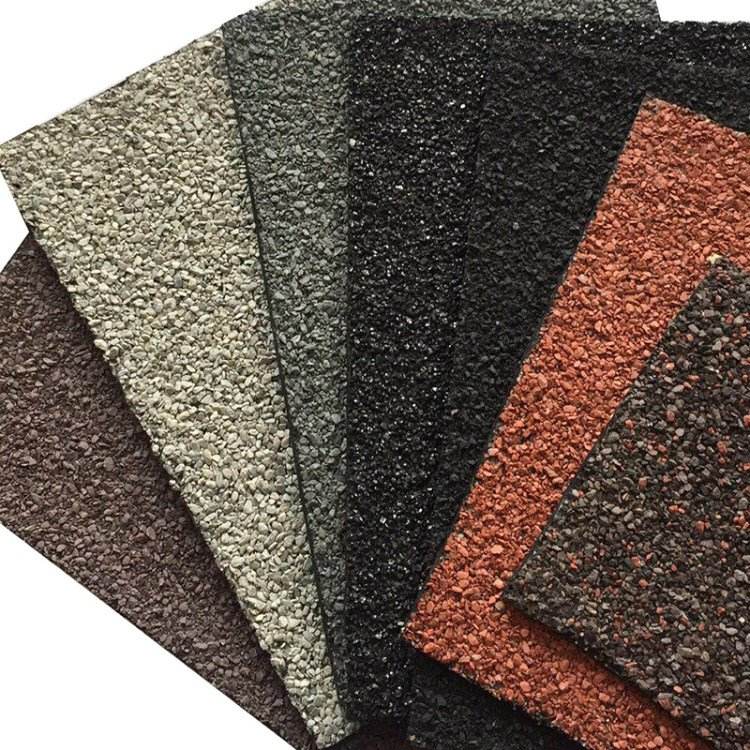
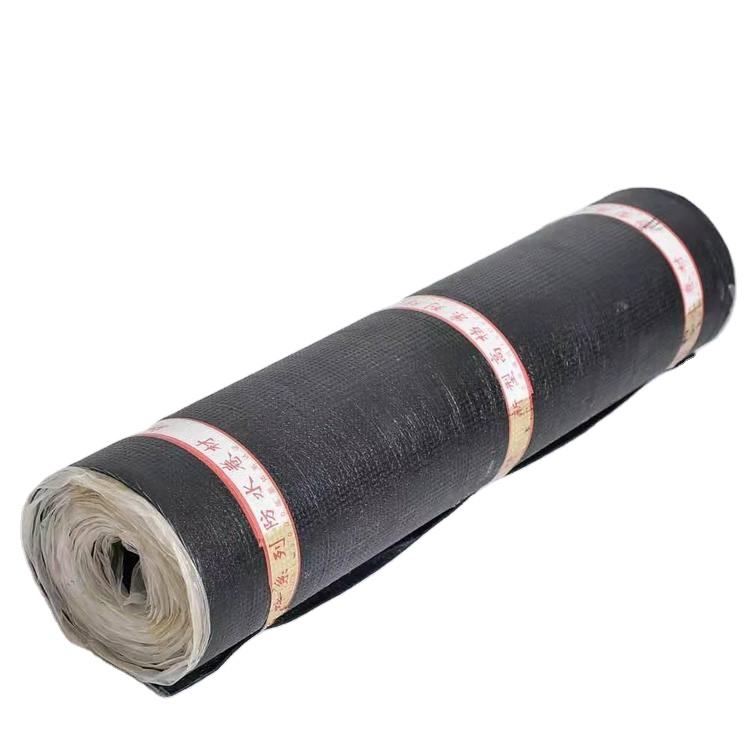
This product is a waterproofing membrane manufactured by impregnating a base mat with elastomer (SBS) or thermoplastic (APP, APAO, etc.) modified bitumen, coating both sides with the corresponding modified bitumen, and surfacing the top with fine sand, mineral granules (or flakes), or a polyethylene film.
The product offers excellent waterproofing and anti-aging properties; it does not flow at high temperatures or crack at low temperatures, is easy to install, and boasts a long service life. It is widely used for waterproofing, moisture-proofing, vapor barrier protection, and seepage resistance in industrial and civil building components—such as roofs, basements, and bathrooms—as well as in structures like bridges, parking lots, swimming pools, tunnels, and reservoirs; it is also suitable for roof repair projects. SBS-modified bitumen membranes are particularly well-suited for waterproofing buildings in cold regions or areas prone to frequent structural deformation, whereas APP-modified bitumen membranes are ideal for buildings in regions with high temperatures and intense solar radiation.
Construction Guidelines
Basic Requirements: The substrate must be level, clean, and dry, with a moisture content of less than 9%. Apply a primer evenly to the substrate surface and allow it to dry before proceeding with installation.
Membrane Laying Sequence and Direction: The sequence proceeds from high-level spans to low-level spans; for spans of equal height, work from the farthest point toward the nearest; on the same plane, begin laying from the lowest point. Regarding direction: if the roof slope is less than 3%, lay the membrane parallel to the ridge; if the slope is between 3% and 15%, lay it either parallel or perpendicular to the ridge; if the slope exceeds 15%, lay it perpendicular to the ridge.
Installation Methods:
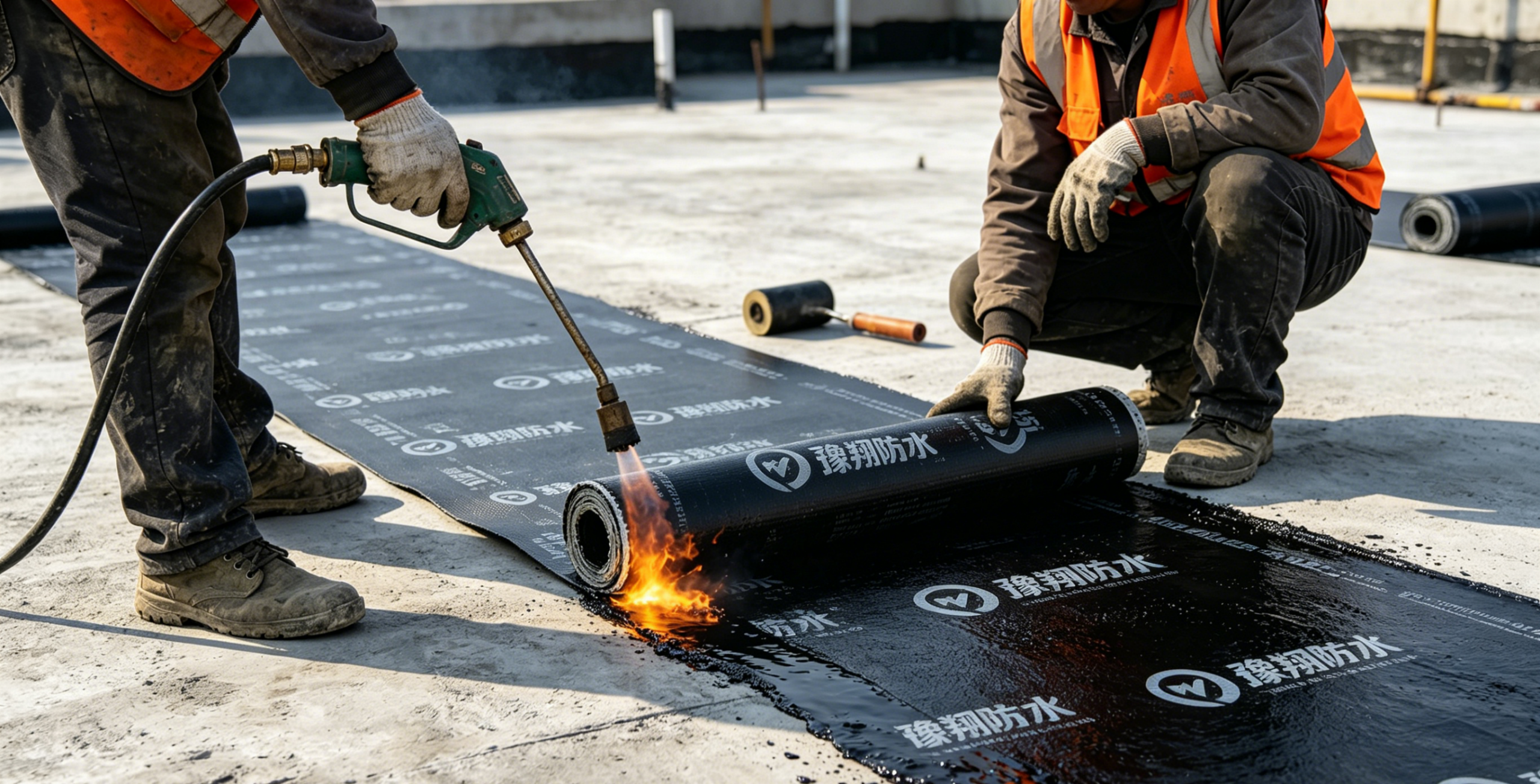
Heat-fusion method: Use a torch or other heating tool to evenly heat the underside of the membrane and the substrate. Once the surface bitumen begins to melt and appears glossy black, unroll and lay the membrane while heating, pressing it firmly into place with a roller. Adjust the flame intensity and application speed to maintain the bitumen temperature between 200°C and 250°C. After installation, seal the overlap seams using a cold adhesive.
Cold-bonding method: Use a rubber squeegee to apply a specialized adhesive for polymer-modified bitumen evenly onto the substrate surface. Then, unroll the membrane while using a rubber roller to press it down, expelling air and ensuring firm adhesion. If the ambient temperature is consistently below 15°C, the heat-fusion method must be used for overlap seams and membrane terminations.
Overlap treatment: For long-edge overlaps, the overlap width must be ≥100 mm for single-layer waterproofing and ≥80 mm for double-layer waterproofing; for short-edge overlaps, it must be ≥150 mm for single-layer and ≥100 mm for double-layer waterproofing. Adhesion must be uniform, with no missed heating or coating areas; excess hot-melt bitumen or cold adhesive should squeeze out to form a continuous bead.
Inspection and Acceptance: Upon completion of construction, a thorough inspection must be conducted to ensure the waterproof surface is free from blisters, wrinkles, detachment, or significant delamination. The surface should be smooth and aesthetically pleasing to guarantee the service life of the waterproofing membrane.
Precautions
1. Basement conditions are complex, making proper edge termination treatment critical; therefore, meticulous workmanship is required. Sealing overlaps (or seams) is essential to maintain the integrity of the waterproofing layer. Since membrane overlaps are vulnerable points, edge sealing is mandatory.
2. Personnel must not wear spiked shoes; soft-soled, flat shoes should be worn during installation.
3. For winter construction, select membrane products with a low-temperature flexibility rating at least 10°C below the ambient temperature. Store membranes in an environment above 0°C, move them to the installation site only before use, and handle them carefully to prevent damage from dropping.
4. During heat-fusion installation, the applied substrate primer must dry for at least 4 hours (until it is no longer tacky to the touch) before membrane laying begins to prevent fire hazards; appropriate fire-extinguishing equipment must be available at the work site.
| No. | Item | Ⅰ | Ⅱ | ||||
| PY | G | PY | G | PYG | |||
| 1 | Soluble Matter Content (g/m²) ≥ | 3mm | 2100 | * | |||
| 4mm | 2900 | * | |||||
| 5mm | 3500 | ||||||
| Test Phenomenon | * | Base Not Combustible | * | Base Not Combustible | * | ||
| 2 | Heat Resistance | ℃ | 110 | 130 | |||
| ≤ mm | 2 | ||||||
| Test Phenomenon | No Flowing or Dripping | ||||||
| 3 | Low-Temperature Flexibility (℃) | -7 | -15 | ||||
| No Cracks | |||||||
| 4 | Water Impermeability | 30min | 0.3MPa | 0.2MPa | 0.3MPa | ||
| 5 | Tensile Property | Max Peak Tensile Force (N/50mm) ≥ | 500 | 350 | 800 | 500 | 900 |
| Second Peak Tensile Force (N/50mm) ≥ | * | * | * | * | 800 | ||
| Test Phenomenon | During stretching, no cracking of the asphalt coating or separation from the reinforcement occurs in the middle of the specimen. | ||||||
| 6 | Elongation | Elongation at Max Peak (%) ≥ | 25 | * | 40 | * | * |
| Elongation at Second Peak (%) ≥ | * | * | 15 | ||||
For Immediate Assistance, Please Contact us Now!
Contact Us
- 24-hour online service
- Own factory processing


