
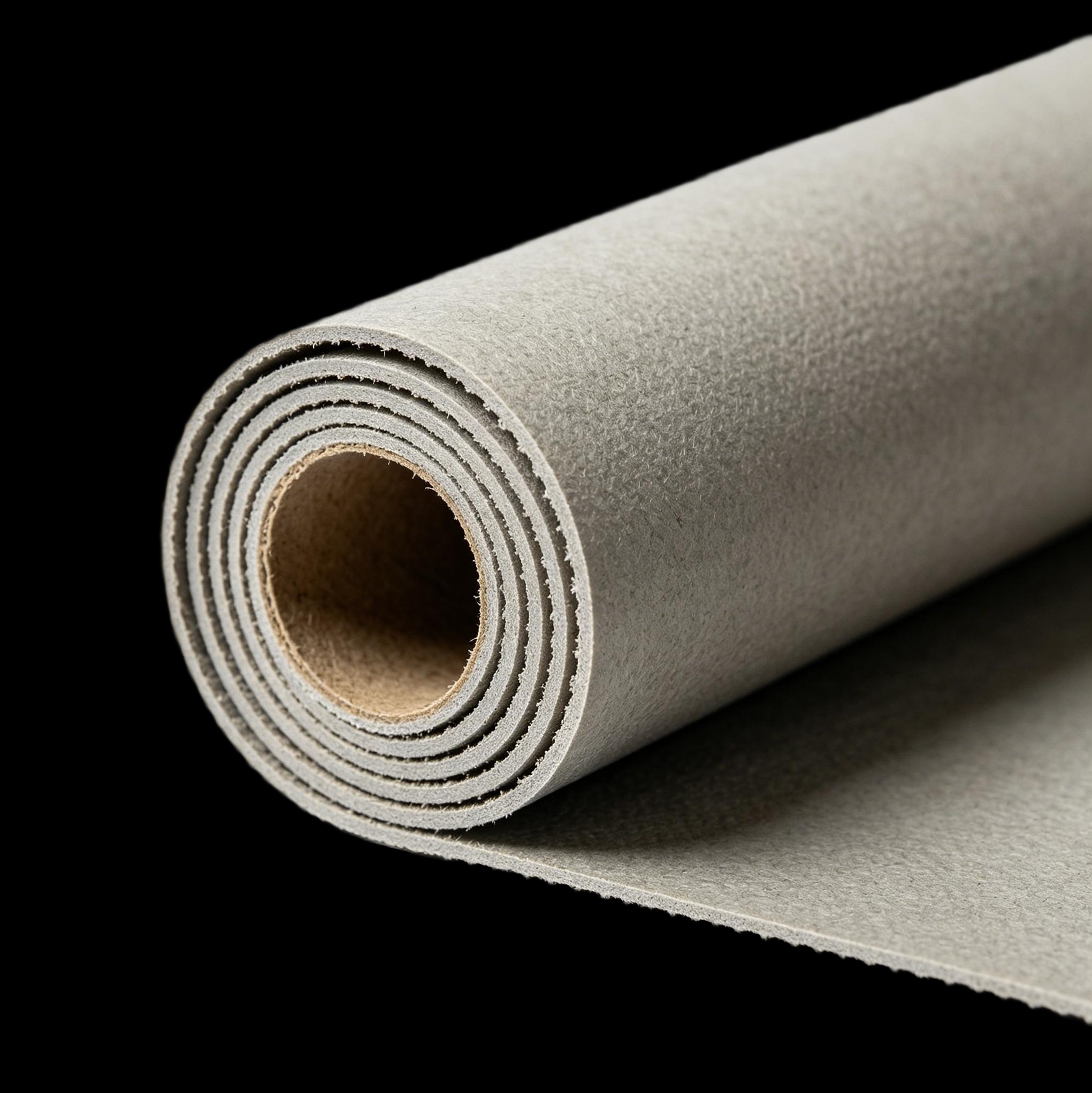
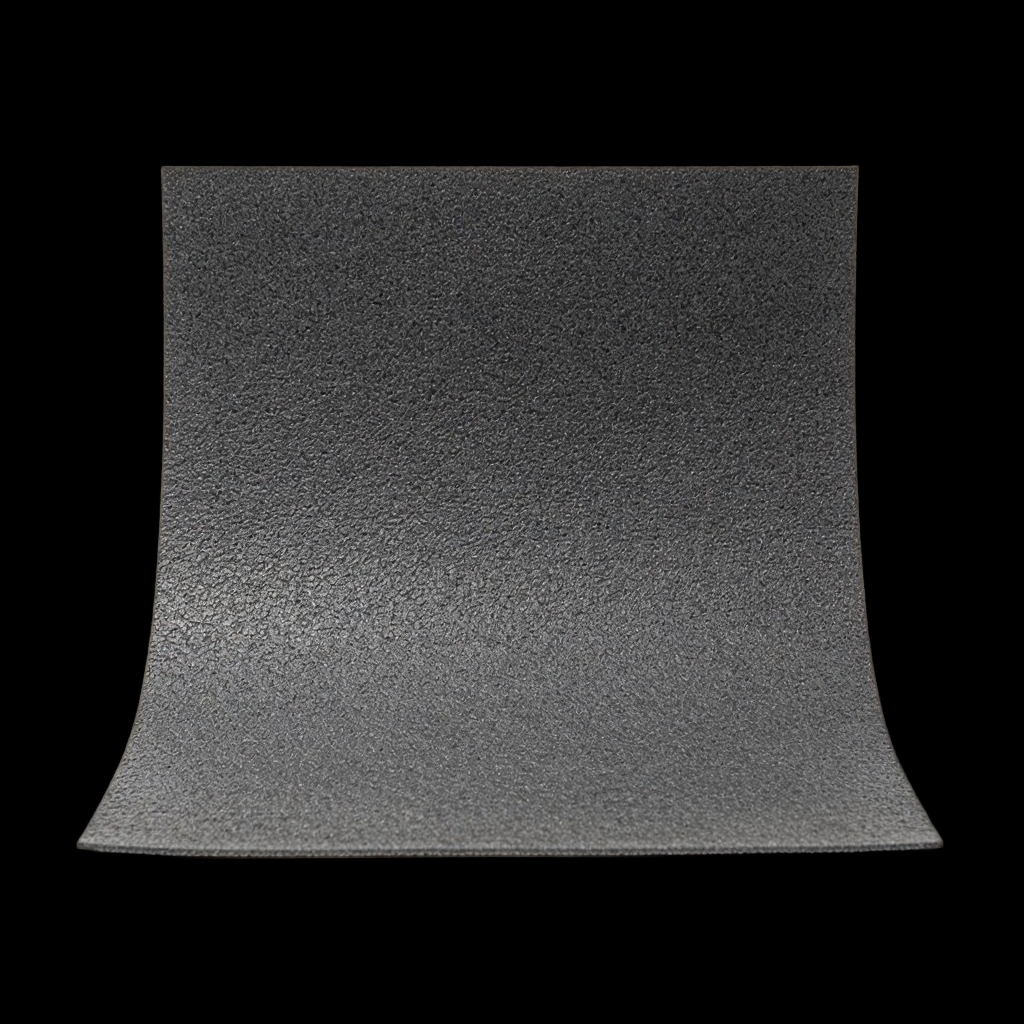
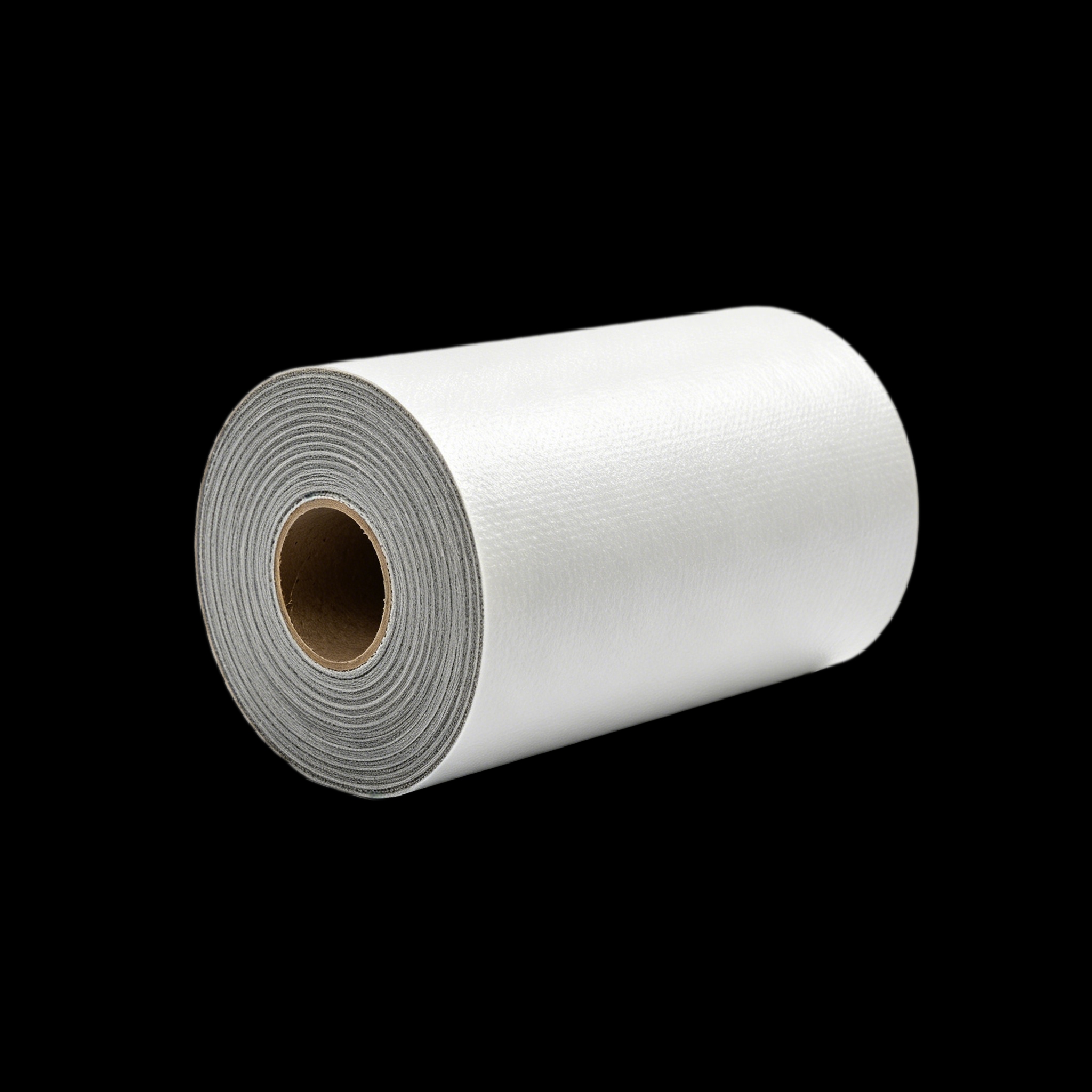
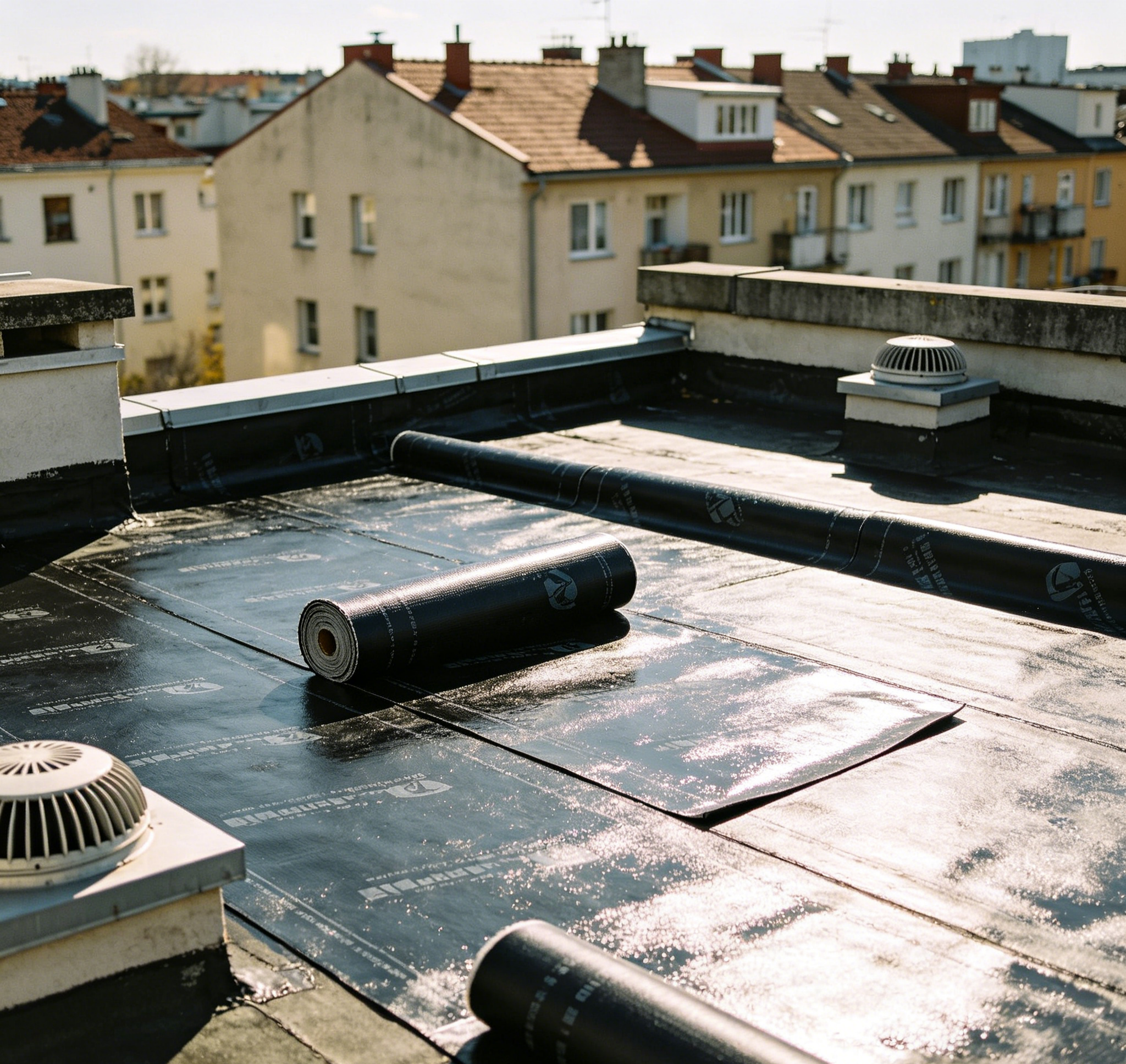
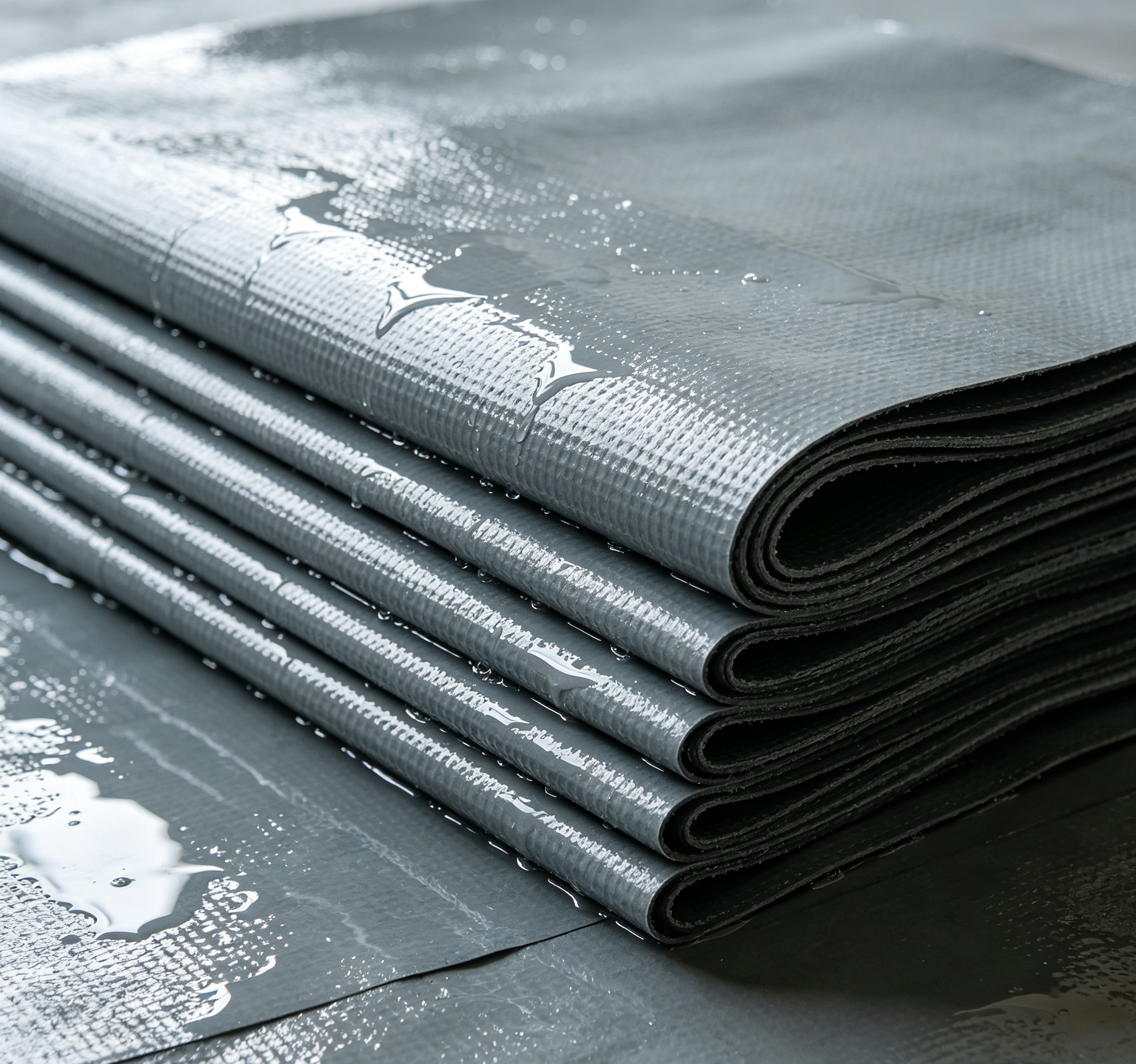
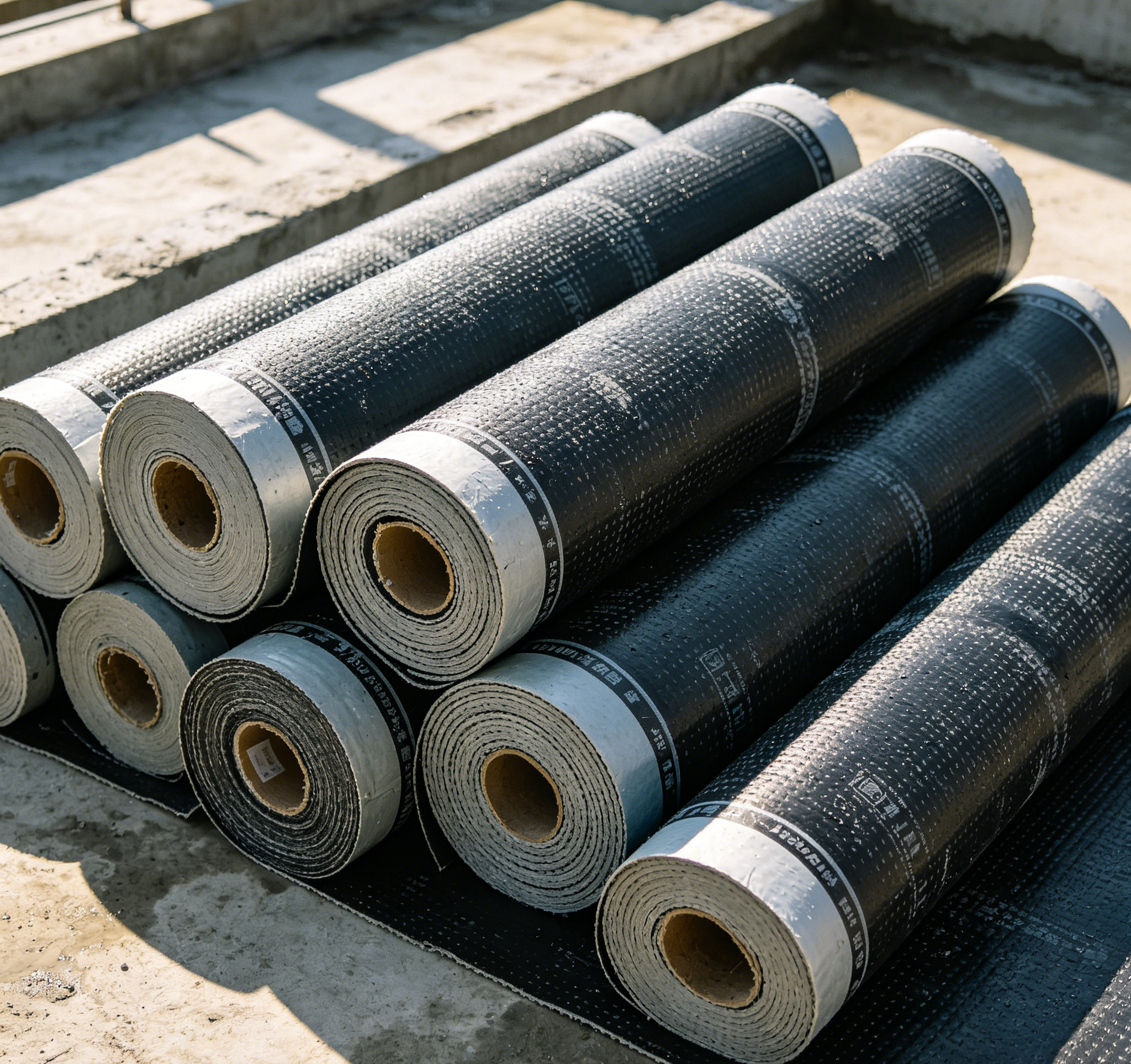
TPO membrane
Thermoplastic Polyolefin (TPO) waterproofing membranes are manufactured using TPO resin as the base material, combining the weather and heat resistance of ethylene-propylene (EP) rubber with the weldability of polypropylene. They were first applied to roofing waterproofing projects in the early 1990s using mechanical fastening installation methods. Because they offer both the weather resistance of EPDM rubber and the weldability of plastic membranes—resulting in reliable waterproofing performance and outstanding aging resistance—they have experienced rapid growth. Thanks to their excellent physical, chemical, and environmental properties, these membranes have become one of the fastest-growing waterproofing materials globally. In the United States, TPO membranes account for 24% of the low-slope commercial roofing market and maintain an average annual growth rate exceeding 23%. In recent years, driven by the development of mechanically fastened single-ply roofing systems, high-performance TPO membranes—which offer energy-saving and eco-friendly benefits—have also seen rapid growth in the domestic market.
Common Specifications and Dimensions
Thickness (mm): 1.2, 1.5 (most common), 1.8, 2.0; Width (m): 2.0 (standard/mainstream), 1.0;
Roll Length (m): 20 (standard), 25, 30;
Area (m²/roll): 40, 50, 60.
Product Features:
1. Utilizes polymerization technology to combine ethylene-propylene rubber and polypropylene, offering both the excellent weather resistance of ethylene-propylene rubber and the weldability of polypropylene.
2. Features a specialized formulation that requires no plasticizers—which can cause material embrittlement—thereby avoiding the brittleness associated with plasticizer migration often found in standard heat-weldable membranes (such as PVC) and ensuring long-term waterproofing performance.
3. Exhibits excellent resistance to high and low temperatures; like rubber materials, it remains flexible at -50°C while maintaining mechanical strength at elevated temperatures.
4. Offers chemical resistance against acids, alkalis, salts, animal fats, vegetable oils, and lubricating oils, as well as resistance to the growth of microorganisms such as algae and mold.
5. Possesses excellent root puncture resistance, making it suitable for use as a root-resistant membrane in green roofing systems.
6. Demonstrates resistance to heat aging and maintains good dimensional stability.
7. Features a smooth, light-colored surface (predominantly white) with high reflectivity, providing energy-saving benefits and resistance to soiling.
8. The composition is free of plasticizers and chlorinated polymers; no harmful gases are generated or released during welding or use, making it safe for the environment and human health.
9. Overlap seams are joined via hot-air welding, creating a high-strength, reliable, and watertight seal.
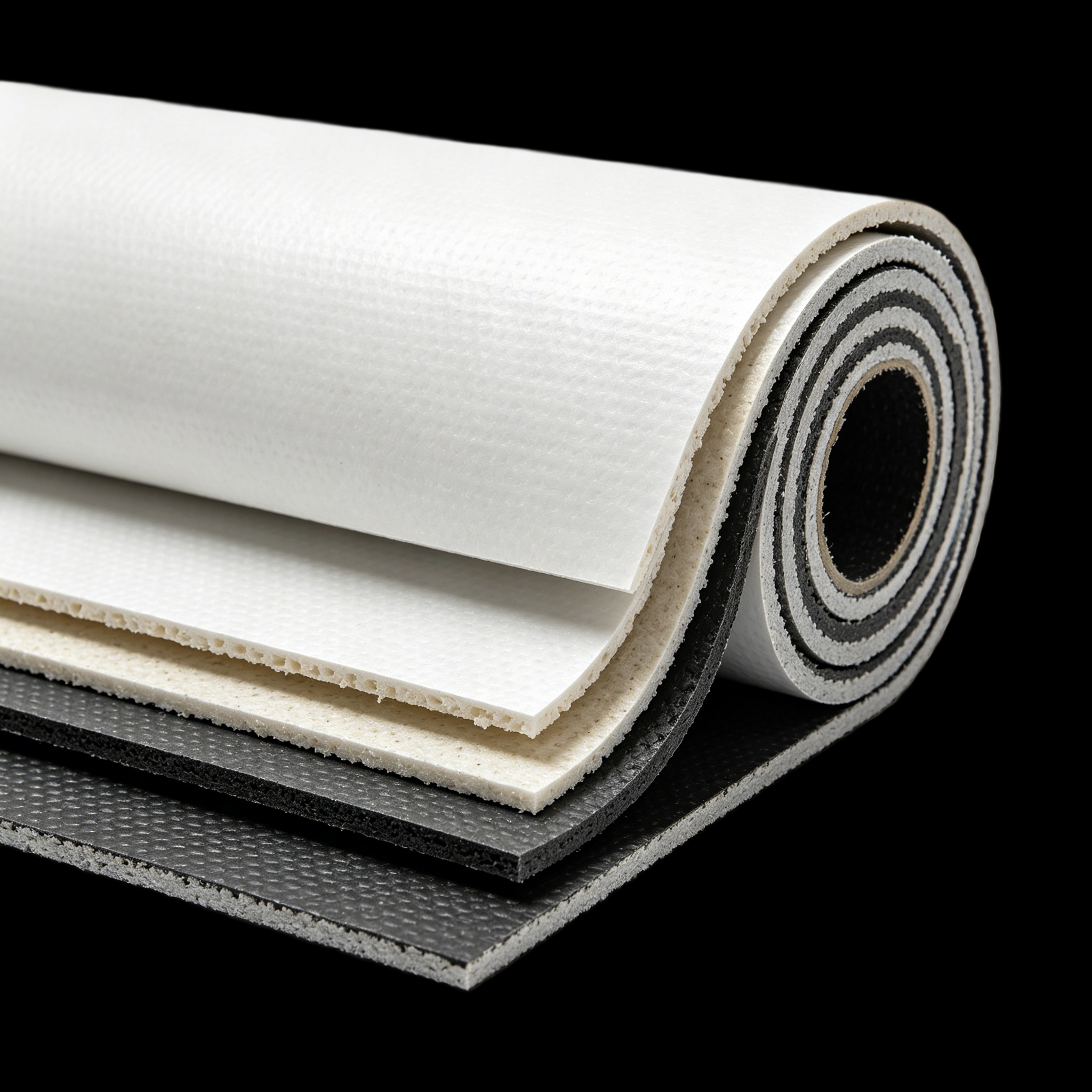
10. Reinforced TPO waterproofing membranes feature an embedded polyester fabric layer, providing high tensile strength, tear resistance, fatigue resistance, and puncture resistance, making them particularly suitable for mechanically fastened roofing systems.
11. Backed TPO waterproofing membranes feature a fabric layer on the underside, facilitating easier bonding to the substrate.
12. Homogeneous TPO waterproofing membranes offer excellent plasticity; they can be heat-formed into various shapes to accommodate complex detailing requirements.
Scope of Application:
Primarily suitable for waterproofing projects on various types of roofs, including those for industrial, civil, and public buildings.
——H (Reinforced) membranes are suitable for mechanically fastened or loose-laid/ballasted roofing systems;
——L (Backing-enhanced) membranes are suitable for fully adhered or loose-laid/ballasted roofing systems;
——P (Homogeneous) membranes are primarily used for flashing applications.
Thermoplastic Polyolefin (TPO) Single-Ply Roofing System
A TPO single-ply roofing system refers to a roofing system utilizing a single layer of exposed TPO waterproofing membrane, installed via mechanical fastening, full adhesion, or loose-laying with ballast.
I. Mechanically Fastened TPO Single-Ply Roofing System
1. TPO membrane roofing systems typically employ mechanical fastening. Reinforced TPO membranes are loose-laid over the substrate (or previously secured insulation boards). Mechanical fasteners (screws and plates) secure the membrane to the substrate within the overlap area of adjacent sheets, with the overlying sheet concealing the fasteners of the underlying sheet. The overlap seams are heat-welded to form a monolithic, watertight waterproofing layer.
II. Fully Adhered TPO Single-Ply Roofing System
Backing-equipped TPO waterproofing membranes are fully adhered to a concrete or cement mortar substrate. Adjacent TPO sheets are heat-welded at the seams to form a monolithic single-ply roofing waterproofing system.
III. Loose-Laid and Ballasted TPO Single-Ply Roofing System
Backing-equipped or reinforced waterproofing membranes are loose-laid over the substrate. Adjacent TPO sheets are heat-welded at the seams, and the system is secured in place using concrete pavers or gravel ballast.
Key System Components
1. Homogeneous TPO prefabricated parts.
2. Substrate adhesive, edge sealant, general-purpose sealant, and membrane cleaner.
3. Mechanical fasteners (screws and plates), metal batten bars, load-distribution cords, etc.
Construction Essentials for Mechanically Fastened Single-Ply Roofing Systems
1. When profiled steel sheeting serves as the substrate, its thickness should be ≥0.75 mm, and it must be reliably connected to the main structure; connections between steel sheets must be smooth and continuous, free of sharp protrusions. Concrete substrates must be smooth, dry, and free of defects such as honeycombing or cracks.
2. TPO membrane pre-laying: After unrolling, the membrane should be allowed to rest for 15–30 minutes to fully release internal stresses and prevent wrinkling during welding.
3. Mechanical fastening of the bottom membrane layer: Fasteners must be arranged in straight, uniform lines with spacing that meets design requirements; fastener density must be increased in perimeter and corner areas of the roof.
4. Hot-air welding: The upper membrane layer must overlap the mechanical fasteners of the lower layer, creating an overlap width of at least 120 mm; welding should be performed uniformly using an automatic welder, with a weld seam width of at least 40 mm. Contaminated overlap areas must be cleaned prior to welding.
5. Detailing and Joint Treatment:
For details such as internal and external corners, pipe penetrations, and skylights, TPO prefabricated components or non-reinforced TPO flashing membranes are used for the waterproofing layer and are heat-welded to the main waterproofing layer. Terminations of vertical TPO membranes are mechanically secured using metal termination bars and subsequently sealed with sealant.
Construction Essentials for Fully Adhered Single-Ply Roofing Systems
1. The substrate must be dry, smooth, and free of loose dust; the bonding surface of the roofing membrane must also be dry.
2. Stir the substrate adhesive thoroughly before use. Apply the adhesive evenly to both the substrate and the bonding surface of the membrane; ensure continuous and uniform application, avoiding missed spots or pooling. Strictly prohibit applying adhesive to the areas designated for membrane overlap welding.
3. Allow the adhesive layer to air-dry for 5 to 10 minutes until it is tack-free to the touch. Roll the membrane onto the coated substrate to bond them, then use a specialized pressure roller to ensure a secure bond.
4. Form an 80mm overlap between adjacent membrane sheets and weld the seam using an automatic hot-air welder.
5. Secure the membrane at the roof perimeter using metal fastening bars.
Key Points for Installing a Loose-Laid, Ballasted Single-Ply Roofing System
1. The substrate must be dry, smooth, and free of loose dust; the bonding surfaces of the roofing membranes must also be dry.
2. TPO Membrane Installation: Lay the membranes loosely over the substrate. After unrolling, allow the membranes to rest for 15–30 minutes to fully release internal stresses and prevent wrinkling during welding. Overlap adjacent membrane sheets by 80 mm and join them using automatic hot-air welding.
3. After welding is complete, promptly install a non-woven protective layer and apply ballast (such as concrete pavers or river stones) to prevent wind uplift; secure the perimeter of the roof using metal termination bars.
Construction Precautions
1. Personnel must be trained before commencing work.
2. Clean the material surfaces at welding points thoroughly; ensure they are free of water, oil, and dirt.
3. Strictly inspect welding quality; ensure there are no missed welds or skipped sections.
4.Protect the work during construction; personnel wearing studded or spiked footwear are strictly prohibited from entering the area where TPO membranes have been laid.
| No. | Item | Specification | |||
| H | L | P | |||
| 1 | Resin layer thickness on intermediate fabric / mm ≥ | – | – | 0.40 | |
| 2 | Tensile Strength | Maximum Tensile Force / N/cm ≥ | – | 200 | 250 |
| Tensile Strength / MPa ≥ | 12.0 | – | – | ||
| Elongation at Maximum Force / % ≥ | – | – | 15 | ||
| Elongation at Break / % ≥ | 500 | 250 | – | ||
| 3 | Dimensional Change after Heat Treatment / % ≤ | 2.0 | 1.0 | 0.5 | |
| 4 | Low-temperature Flexibility | -40℃, no cracks | |||
| 5 | Water Impermeability | 0.3 MPa, 2h no water penetration | |||
| 6 | Impact Resistance | 0.5kg·m, no water penetration | |||
| 7 | Static Load Resistance | – | – | 20kg, no water penetration | |
| 8 | Seam Peel Strength / N/mm ≥ | 4.0 or membrane failure | – | 30 | |
| 9 | Right-angle Tear Strength / N/mm ≥ | 60 | – | – | |
| 10 | Trapezoidal Tear Strength / N/mm ≥ | – | 250 | 450 | |
| 11 | Water Absorption (70℃, 168h) / % ≤ | 4.0 | |||
| 12 | Thermal Aging at 115℃ | Duration | 672h | ||
| Appearance | No blistering, cracking, delamination, adhesion failure or holes | ||||
| Retention of Maximum Tensile Force / % ≥ | – | – | 90 | ||
| Retention of Tensile Strength / % ≥ | 90 | – | – | ||
| Retention of Elongation at Maximum Force / % ≥ | – | – | 90 | ||
| Retention of Elongation at Break / % ≥ | 90 | 90 | – | ||
| Low-temperature Flexibility | -40℃, no cracks | ||||
| 13 | Appearance | No blistering, cracking, delamination, adhesion failure or holes | |||
| Retention of Maximum Tensile Force / % ≥ | – | 90 | 90 | ||
| Retention of Tensile Strength / % ≥ | 90 | – | – | ||
| Retention of Elongation at Maximum Force / % ≥ | – | – | 90 | ||
| Retention of Elongation at Break / % ≥ | 90 | 90 | – | ||
| Low-temperature Flexibility | -40℃, no cracks | ||||
| 14 | Artificial Weathering Accelerated Aging | Duration | 1500h | ||
| Appearance | No blistering, cracking, delamination, adhesion failure or holes | ||||
| Retention of Maximum Tensile Force / % ≥ | – | 90 | 90 | ||
| Retention of Tensile Strength / % ≥ | 90 | – | – | ||
| Retention of Elongation at Maximum Force / % ≥ | – | – | 90 | ||
| Retention of Elongation at Break / % ≥ | 90 | 90 | – | ||
| Low-temperature Flexibility | -40℃, no cracks | ||||
For Immediate Assistance, Please Contact us Now!
Contact Us
- 24-hour online service
- Own factory processing


