Construction Requirements
Substrate Preparation
The waterproofing substrate must be solid, smooth, clean, and dry. Corners and junctions of the substrate should be formed into a circular arc or a triangle; the radius of the arc should exceed 20 mm. Roof drainage slopes, expansion joints, and exhaust vents must be treated in accordance with design specifications.
Construction Methods
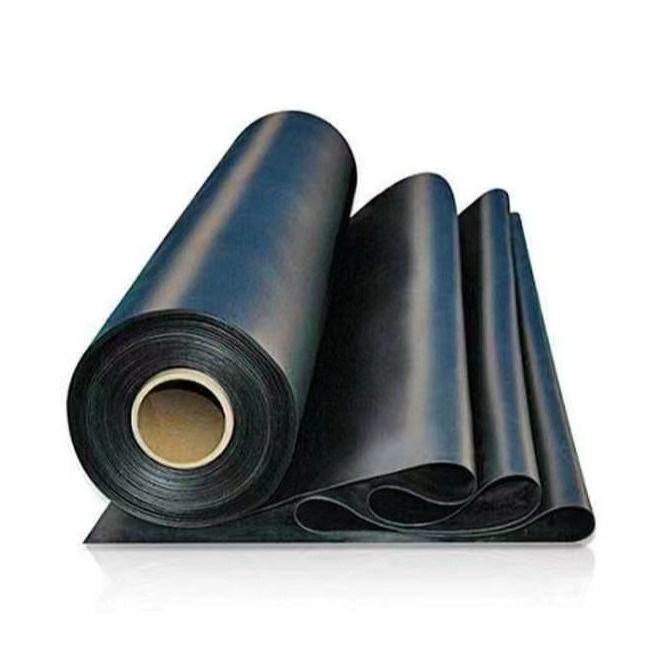
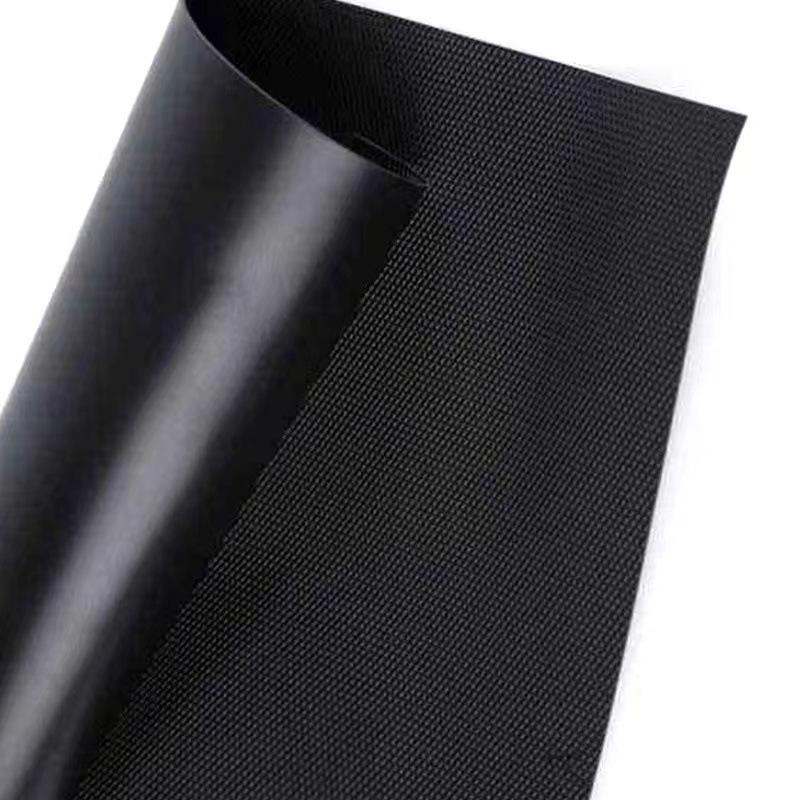
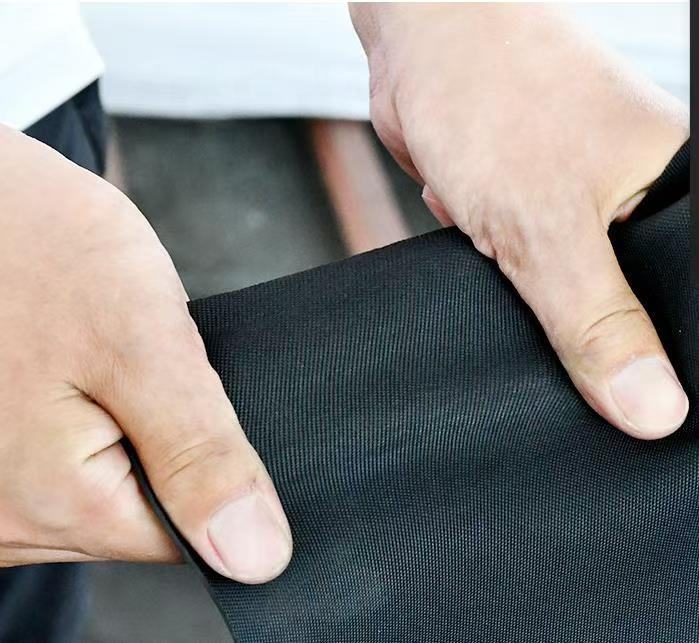
After the substrate passes inspection, reinforcement layers should be applied to critical structural junctions. When laying the membrane, the specific application method—full bonding, strip bonding, spot bonding, or loose-laying—should be selected based on project conditions. Recommended adhesive consumption rates are: full bonding: 0.33 kg/m²; spot bonding: 0.22 kg/m²; strip bonding: 0.20 kg/m²; loose-laying: 0.10 kg/m²; and membrane overlap areas: 0.10 kg/m². When bonding the membrane to the substrate, apply the adhesive evenly to the bonding area and wait until the surface is touch-dry (slightly tacky but not stringy) before pressing the surfaces together. For overlap bonding, the overlap width must comply with relevant regulations. Clean the overlap areas with solvent to remove dirt and grease, apply the adhesive, and—once the surface is touch-dry—firmly bond the overlap and compact it using a rubber roller. If protection of the finished surface is required, a separation layer must be installed over the waterproofing layer before applying the protective layer.
IV. Precautions
Do not install the waterproofing membranes during rain, snow, fog, or high winds, or when the substrate surface is damp.
Installation should be carried out at temperatures between 5°C and 35°C and at a relative humidity of less than 80%.
Construction steps must not overlap; reinforcement layers must be applied at all critical junctions and detailing points.
Keep away from open flames and heat sources during installation.