
Polyethylene-polypropylene polymer membrane
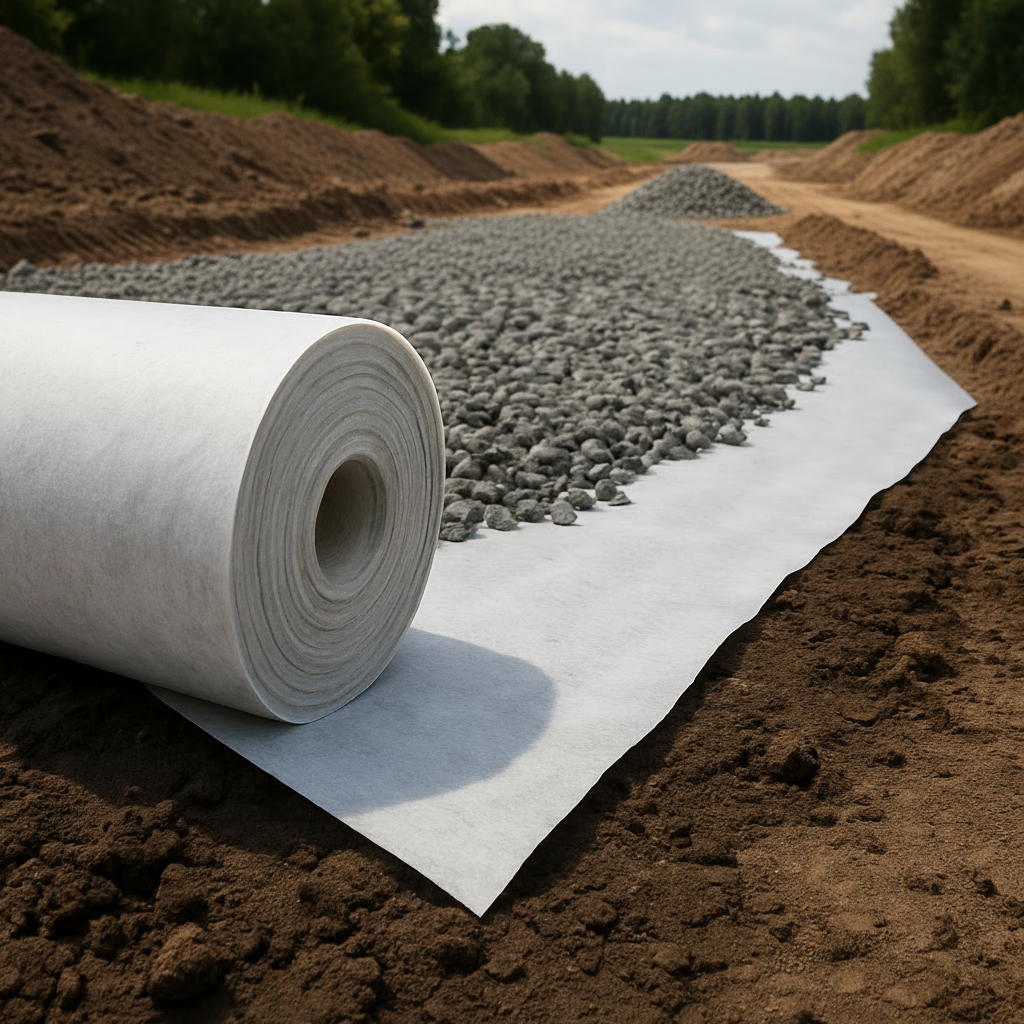
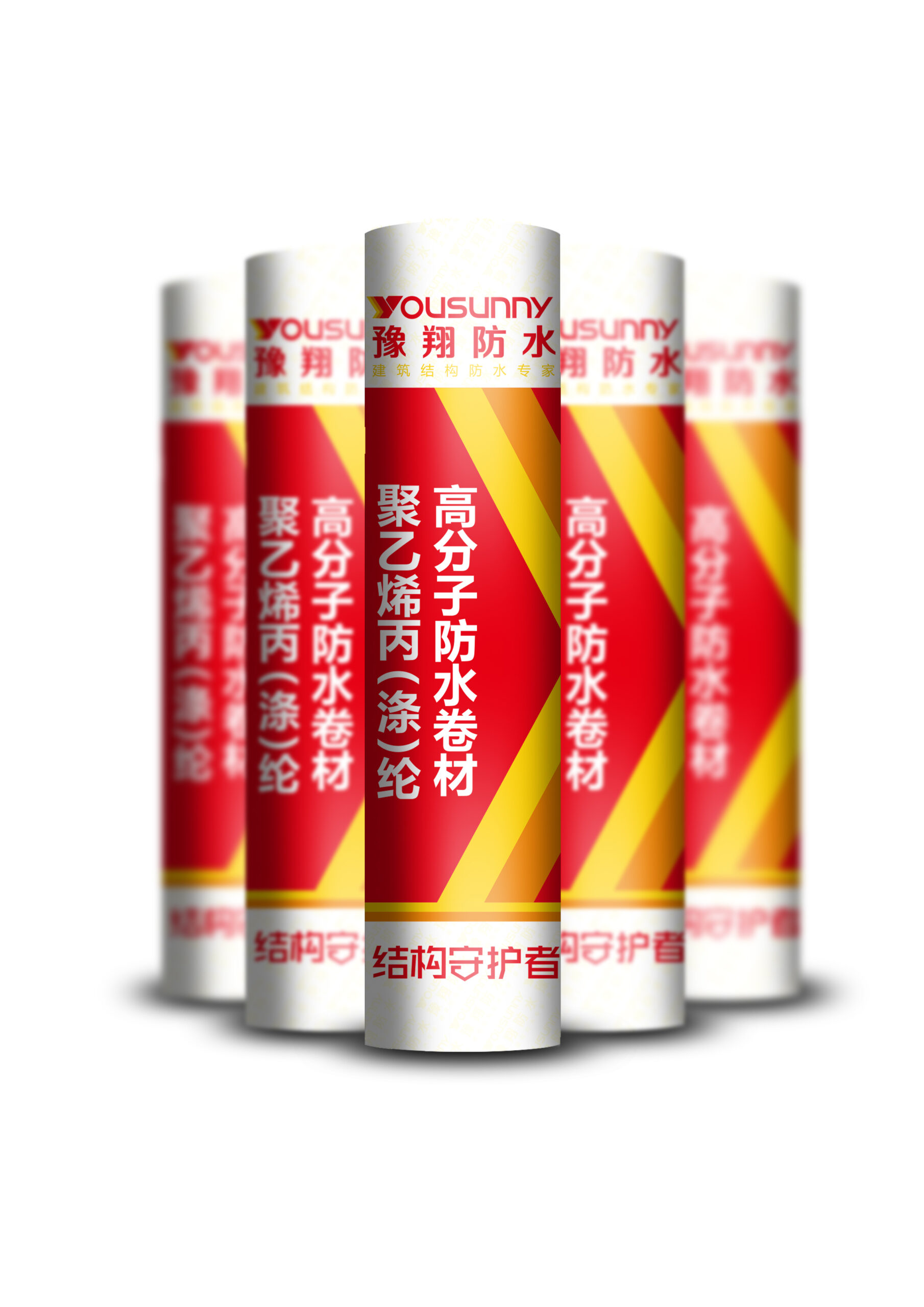
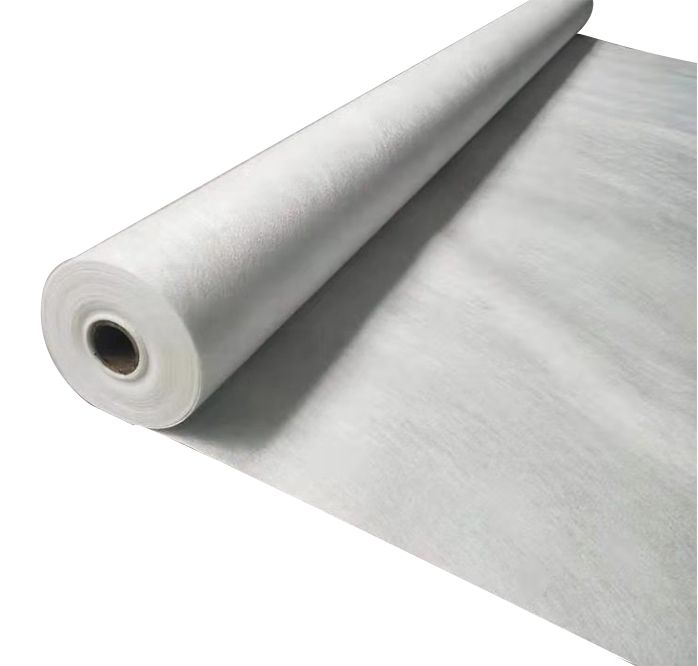
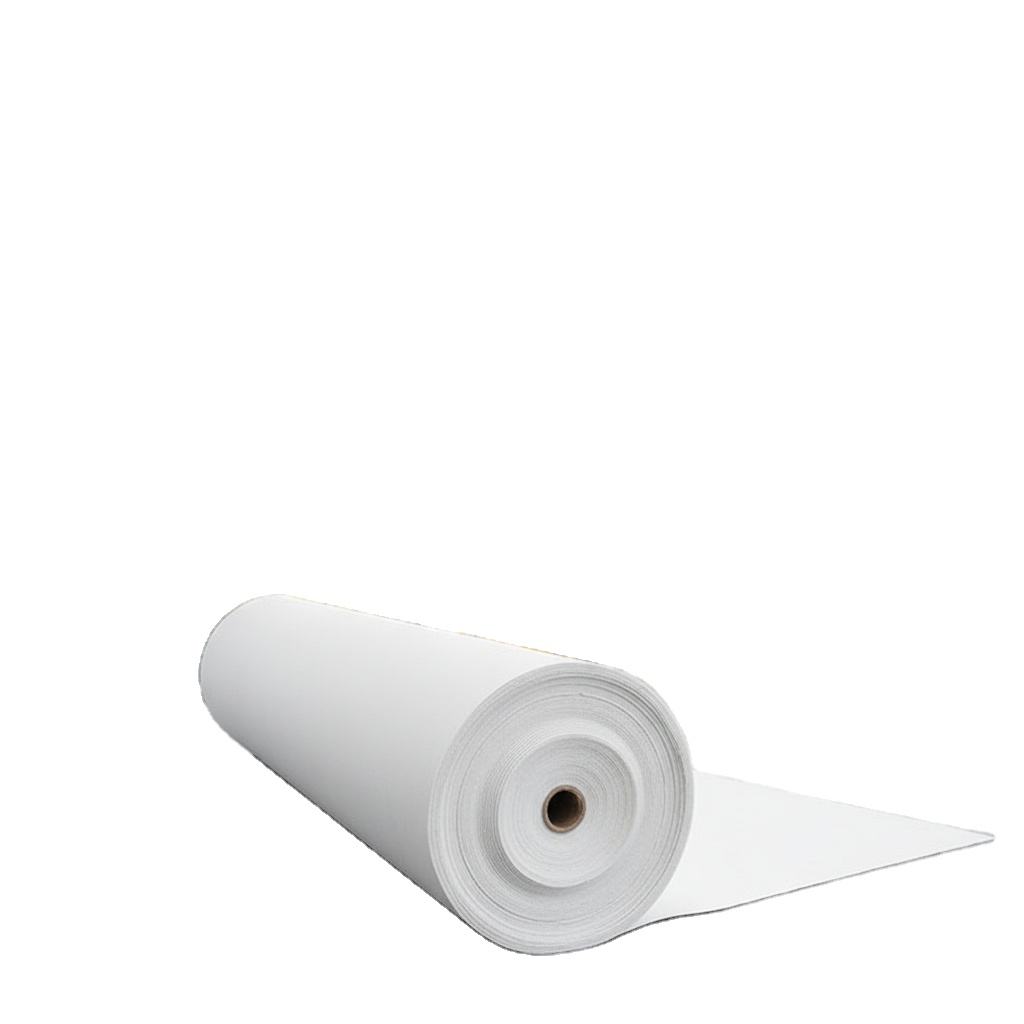
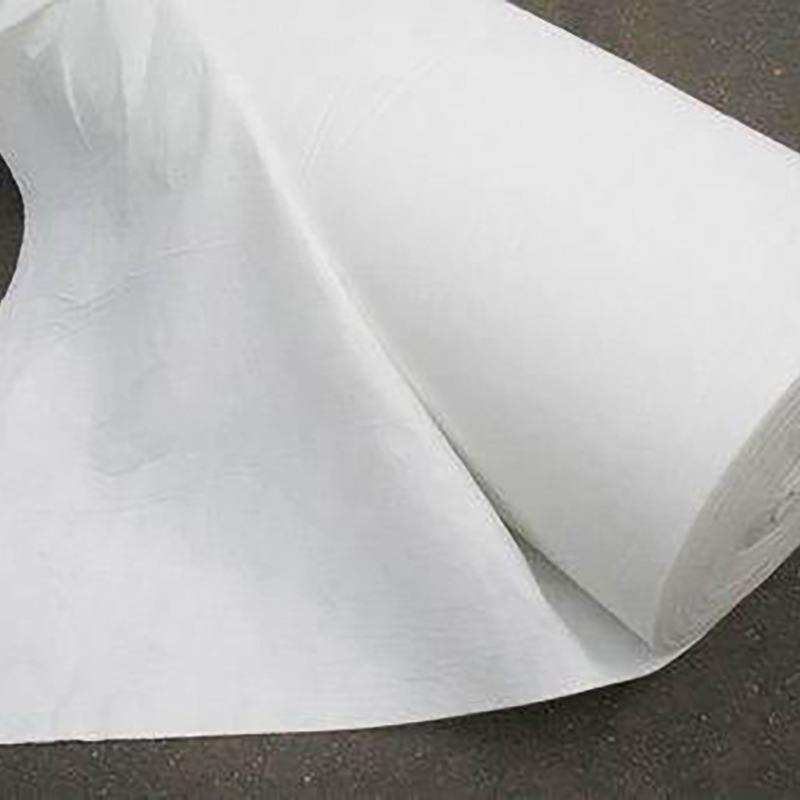
Polyethylene-polypropylene (or polyester) fiber polymer waterproofing membrane is manufactured using an automated production line through a single-step extrusion process, utilizing polymer raw materials such as polyethylene, high-strength polypropylene (or polyester) non-woven fabric, UV blockers, and anti-aging agents. The membrane features a central waterproofing and anti-aging layer sandwiched between upper and lower reinforcing bonding layers; it offers a secure, reliable bond without edge curling or blistering, provides dual-layer waterproofing, and represents a new type of waterproofing material.
Product Features
This product is a green and environmentally friendly product, non-toxic, odorless, and pollution-free. Due to the addition of anti-aging agents, it possesses excellent anti-aging, anti-oxidation, and corrosion-resistant properties. It is flexible, easy to bend without breaking, and has good tensile and perforation resistance, meeting the standard requirements of GB18173.1-2012 “Polymer Waterproof Materials Part 1: Sheets”. It can have the same lifespan as the building structure. Polyethylene buried in sand will not rot or weather. Testing has proven that it shows no cracks at -40°C and no deformation at +100°C. It can be applied to damp substrates, as long as there is no standing water. After heavy rain, simply wipe away any accumulated water and construction can begin immediately, which is beneficial for meeting deadlines. It is flexible, easy to bend, can be folded arbitrarily, and is easy to handle. For waterproofing kitchens, bathrooms, swimming pools, and water tanks, it eliminates the need for slanted or curved corners at internal and external corners and pipe roots; right angles can be used instead.This method prevents damage to the waterproofing membrane during the subsequent tile-laying process, ensuring no leakage during the secondary flood test. Construction is rapid and highly efficient; vertical walls in kitchens, bathrooms, swimming pools, and water tanks do not require surface roughening or interface treatment. Tiles can be bonded directly to the membrane, saving both labor and effort. The polymer-cement adhesive used with the membrane is an eco-friendly product; it is prepared by mixing the company’s proprietary bonding agent with cement into a paste. This adhesive offers excellent bonding strength and acts as an additional waterproofing layer itself, sealing substrate pores and blocking water penetration. It accommodates a wide range of substrate conditions and also serves to level the surface. With superior puncture resistance, it is suitable for waterproofing green roofing and landscaping areas; its resistance to root penetration effectively prevents damage from roots, ensuring outstanding waterproofing performance.
Scope of Application
Suitable for waterproofing projects involving various roofs, basements, and tunnels; applicable to roofing and underground works for civil and industrial buildings, as well as water reservoirs, municipal infrastructure, bridges, subways, tunnels, and dams. It is particularly well-suited for key projects requiring high durability and corrosion resistance, or those subject to structural deformation.
Construction Method
Construction Procedure: Inspection of the leveling layer → cleaning the substrate → preparing the cement adhesive → installing the reinforcement layer → installing the waterproofing layer → applying the protective layer → curing. Before bonding, unroll and align the membrane, then fold back both ends. Pour the prepared cement adhesive onto the substrate and spread it evenly with a scraper. Roll the membrane forward into place, using the scraper to promptly expel trapped air and remove excess adhesive. The bonding coverage between the membrane and the leveling layer must be ≥85%.
Joint Construction: For building waterproofing, lap joints are used for the vapor barrier, waterproofing layer, and reinforcement layer, bonded with cement adhesive; the lap width is 10 cm. Joints in the reinforcement layer must be offset from joints in the waterproofing layer by at least 5 cm. For basement waterproofing, a 10–15 cm wide lap-strip joint method is used, with the strip bonded using polymer seam adhesive.
…more than 100 cm; the angle between the wall and the floor must be at least 30 cm. Protective Layer:
The lap width for the waterproofing membrane is 8–10 cm for long edges and 10–15 cm for short edges; adjacent short-edge joints must be staggered.
After the membrane is installed, a 2 cm thick protective layer of 1:2.5 cement mortar is applied over the waterproofing layer in two coats. The joints between the two coats must be staggered by at least 20 cm. The protective layer must be smooth and level, and cured by sprinkling with water.
| No. | Item | FS2 | |
| 1 | Tensile Strength / N/cm | At 23℃ ≥ | 60 |
| At 60℃ ≥ | 30 | ||
| 2 | Elongation at Break / % | At 23℃ ≥ | 400 |
| At -20℃ ≥ | 300 | ||
| 3 | Tear Strength / N ≥ | 50 | |
| 4 | Water Impermeability, 0.3MPa / 30min | No leakage | |
| 5 | Low-temperature Bending | -20℃, no cracks | |
| 6 | Heating Dimensional Change / mm | Extension ≤ | 2 |
| Shrinkage ≤ | 4 | ||
| 7 | Hot Air Aging (80℃ × 168h) | Retention of Tensile Strength ≥ | 80 |
| Retention of Elongation at Break ≥ | 70 | ||
| 8 | Alkali Resistance [Saturated Ca(OH)₂ Solution at 23℃ × 168h] | Retention of Tensile Strength ≥ | 80 |
| Retention of Elongation at Break ≥ | 80 | ||
| 9 | Ozone Aging (40℃ × 168h, 200×10⁻⁸, Elongation 20%) | – | |
| 10 | Artificial Weathering Aging | Retention of Tensile Strength ≥ | 80 |
| Retention of Elongation at Break ≥ | 70 |
For Immediate Assistance, Please Contact us Now!
Contact Us
- 24-hour online service
- Own factory processing


